

Challenges, Opportunities, and Sustainable Solutions for the Modern World**
Introduction
In an era of globalization, the cross-border movement of goods, raw materials, and resources has become routine. However, one critical flow often overlooked is the international movement of waste.
Containers filled with industrial waste, recyclable materials, electronic waste, and hazardous residues are shipped across borders every day—primarily to reduce the high costs of waste treatment and disposal in their countries of origin.
This phenomenon, known as Cross-Border Waste Containers, represents a structural challenge of the global economy. At the same time, it presents a crucial opportunity to rethink how waste is managed—not as a burden to be exported, but as a resource that must be handled responsibly and sustainably.
Why Developed Countries Export Waste
Highly industrialized economies such as the United States, the European Union, and Japan face increasing domestic constraints on waste management, including:
- Strict environmental regulations
- High labor and treatment costs
- Strong public opposition to waste facilities (the NIMBY effect)
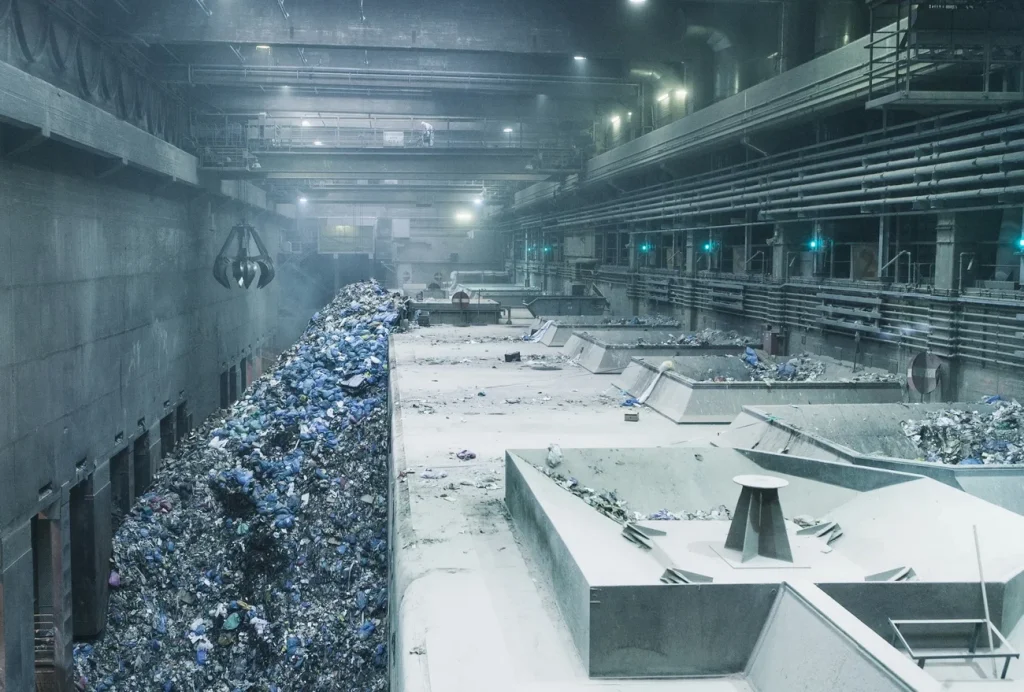
As a result, exporting waste—especially materials labeled as “recyclable”—has become an economically attractive option. In practice, however, many of these shipments contain heavily contaminated or non-recyclable materials, shifting environmental and social risks to recipient countries.
Impacts on Receiving Countries
For destination countries, particularly in Southeast Asia, cross-border waste imports generate multidimensional impacts:
- Environmental impacts: contamination from heavy metals, hazardous chemicals, microplastics, and toxic residues
- Social and health risks: exposure of workers and nearby communities to unsafe handling and informal processing
- Economic burdens: long-term costs of remediation, enforcement, and waste disposal borne by governments and local authorities
Without effective governance, these waste flows can become long-term environmental liabilities.
International Responsibility and Legal Frameworks
The global community has established international principles and agreements to address transboundary waste movements, emphasizing:
- Control and transparency of cross-border waste transfers
- The Polluter Pays Principle, ensuring accountability at the source
- Alignment with the Sustainable Development Goals (SDGs), particularly responsible production and consumption
The objective is not simply prohibition, but ensuring that waste movements are legal, traceable, environmentally sound, and socially responsible.
The Role of ASEAN and Thailand
ASEAN countries—and Thailand in particular—occupy a strategic position within global supply chains. With the right policies and infrastructure, Thailand can shift its role from:
a passive destination for global waste to a regional hub for sustainable resource recovery and circular economy practices.
Through standardized sorting systems, appropriate technologies, and transparent regulatory oversight, waste materials can be transformed into high-quality recycled resources—creating economic value while reducing environmental harm.
A Win–Win Path Forward
Sustainable solutions to cross-border waste challenges require cooperation rather than confrontation. Key elements include:
- Proper waste segregation at the source
- Legally compliant and fully documented transboundary movements
- Environmentally sound recycling and treatment technologies
- Fair distribution of economic benefits among stakeholders
When managed correctly, waste is no longer a liability—it becomes a valuable resource within a circular economy.
Conclusion
In the modern world, waste challenges cannot be solved by simply exporting problems beyond national borders.
Transparency, shared responsibility, and long-term vision are essential to turning global waste flows into sustainable opportunities.
Cross-Border Waste Containers are not merely about waste management—they are a test of global accountability, environmental ethics, and international cooperation.